Case study
Manaflask: where it all started
At 21 I built the website of the best World of Warcraft guild in the world. By 23 I was designing and building a bilingual portal read by millions of players. Everything I do now started here.
- Year
- 2010
- Role
- Graphic design & development
- Client
- Manaflask
Nobody asked me to build it
Before any of this was a career, there was raiding. I played in top World of Warcraft guilds from the end of the original game onwards, first Forte, then SK Gaming, then Ensidia: the guild formed in autumn 2008 out of Nihilum and Curse that went on to take more world-first kills than anyone else in its era. I was 19 when I started raiding at that level and 21 when Ensidia formed.
The guild needed a website. Nobody was going to make it, so I did. I taught myself what I needed as I went, which is how I have learned nearly everything since.
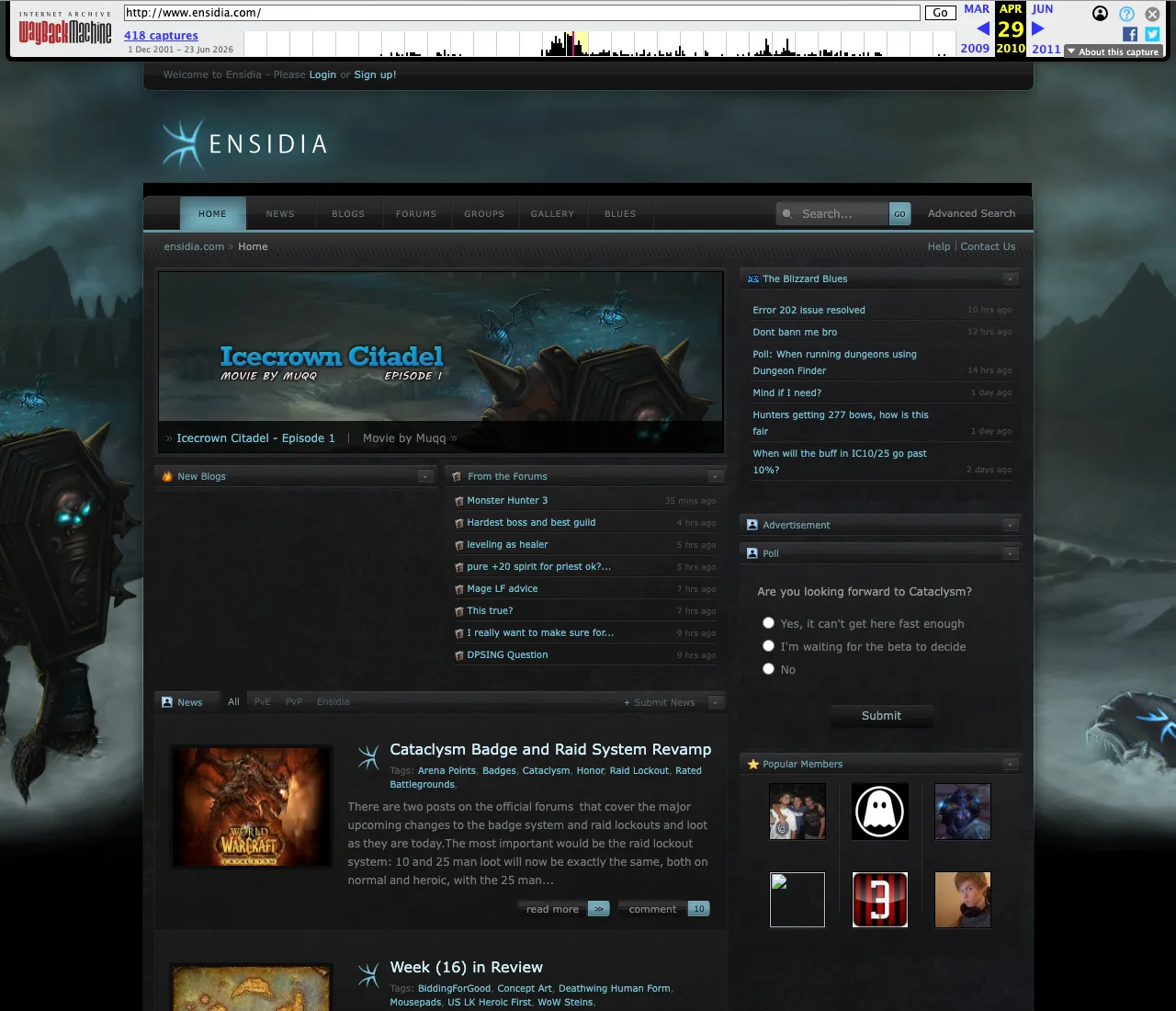
The first ensidia.com went live with the guild in 2008. The second, in early 2010, was a full redesign: news, articles and guides, member blogs, forums and galleries, groups, and a live feed of Blizzard’s own forum posts, plus the downloads a hundred thousand players came for after every world first. It was the biggest thing I had ever shipped, and the first with an audience that spotted every mistake within minutes. That turned out to be the fastest way to get good.
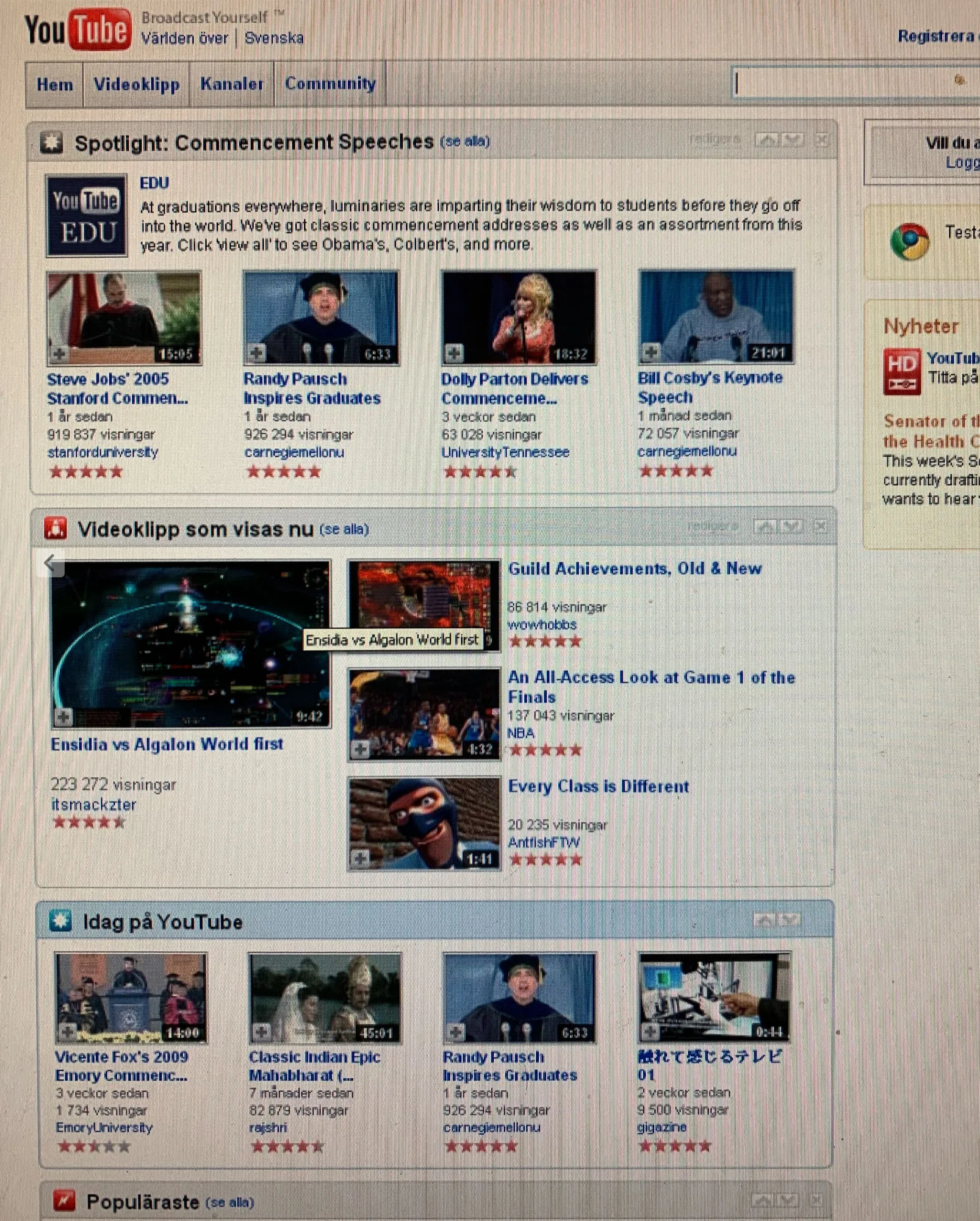
The scene was far bigger than it felt from the inside. In 2009 one of our world firsts, Ensidia versus Algalon, was sitting on YouTube’s global front page between a Stanford commencement speech and an NBA finals game. It had 223,272 views the day I took this photo of my monitor. It has 3.6 million today.
From a guild site to a portal
In 2010, Ensidia and For the Horde, Germany’s best guild, started Manaflask together: a place where the players setting the pace in the game published what they knew, in English and German. I was 23. I was the graphic designer and the developer, I put the product team together, and at the events we covered on site I was the camera too.
What it grew into:
- Guides and features from the people at the very top of the game, from class guides to boss strategies, in both languages.
- Live threads and progress races that followed the world-first races as they happened, plus an interactive history of the game’s raids.
- Blogs, streams and forums, so the community had somewhere to argue as well as to read.
- Partnerships with the wider scene. Razer’s president called it “the go-to place for guides, information and insider tips for all things Azeroth” when Team Razer signed with us in 2011; gamona and purepc came on as media partners.
Manaflask became the biggest official European World of Warcraft community portal of its time, an official Blizzard fansite, and later covered Overwatch as well. It reached millions of players over the six years I worked on it, from 2010 to 2016.
What it taught me
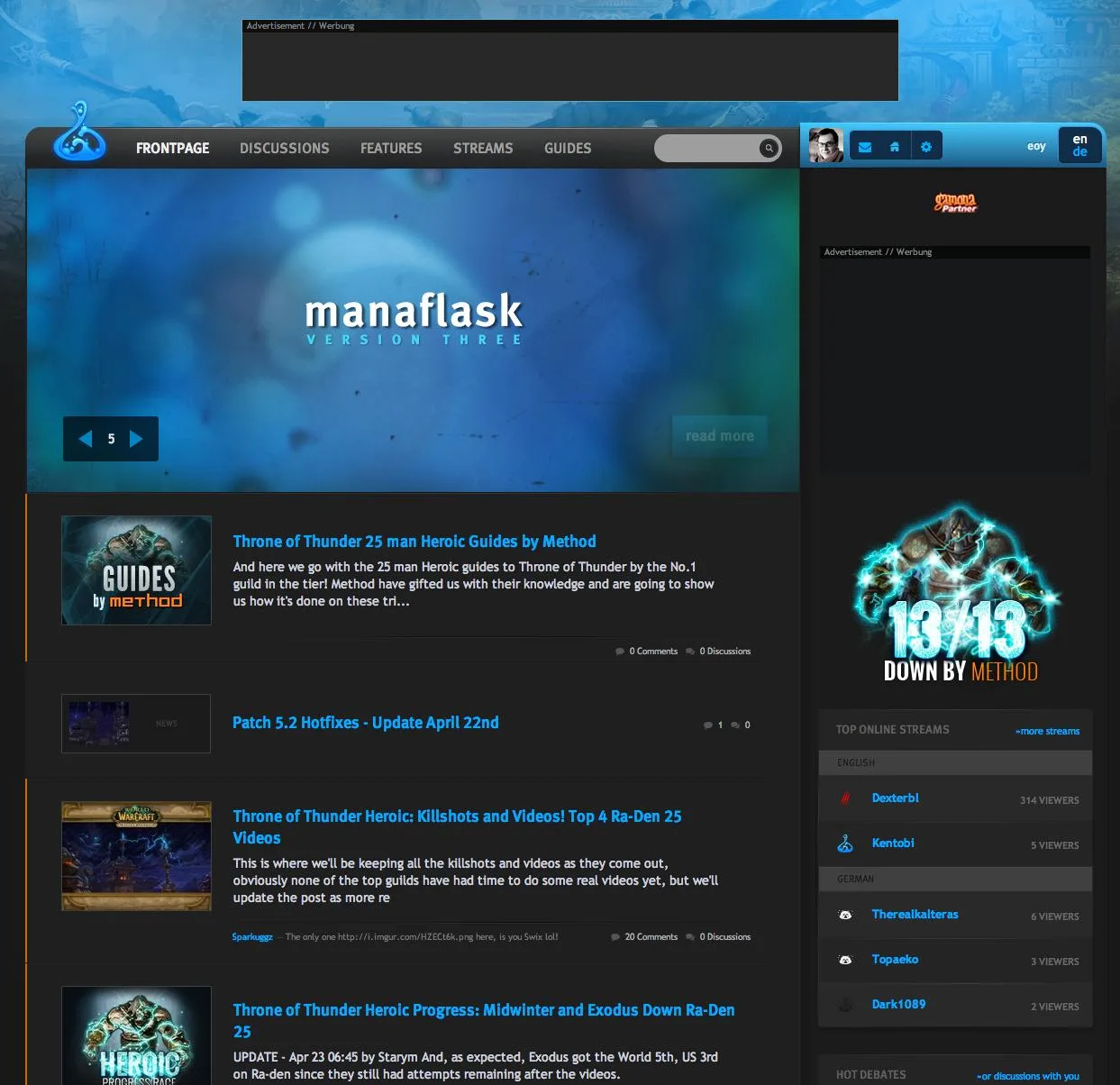
The third redesign put the content first: a big rotating feature, a single-column news flow with comments and discussions inline, and the streams, guides and hot debates in a sidebar that updated live.
Designing and building for that many readers, in two languages, with a team spread across Europe and nobody in charge of us but ourselves, taught me the things I still work by. Ship it and find out. Your audience will tell you what is wrong faster than any plan. A small group of people who care beats a big one that does not.
It also taught me how to work remotely, in 2008, when that was not a thing anyone had a name for. The guild was scattered across Europe and raided to a fixed schedule; the site was built the same way, by people in different countries and timezones who mostly knew each other as voices in a chat channel. Everything had to be written down, handed over and picked up by someone waking up two hours later, and you had to trust people you had never met to do their part. A decade before covid made all of that ordinary, it was simply the only way this could exist at all.
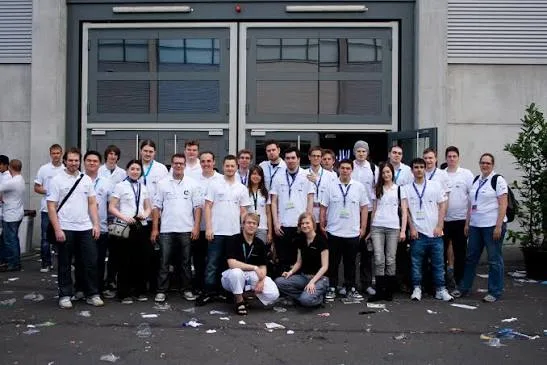
Most of the people I built all of this with, I knew only as voices in a chat channel. Once a year we ended up in the same place.